
 RU
RU
 CN
CN
Imports of Chinese protein raw materials and functional ingredients hit record levels at the border
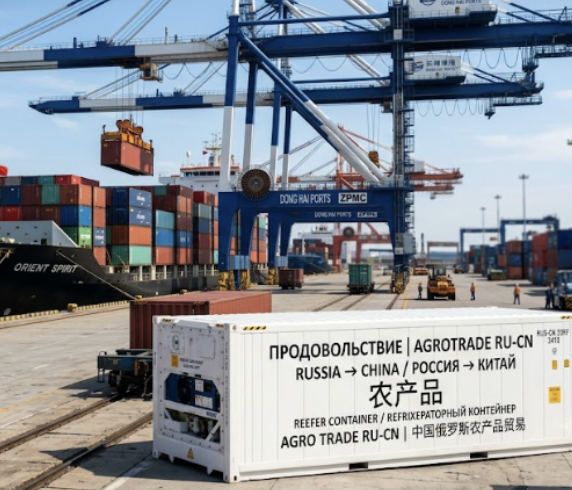
The Federal Service for Veterinary and Phytosanitary Supervision (Rosselkhoznadzor) has summarized its work at the border with the People’s Republic of China. In the first half of 2026, significant volumes of commercial cargo passed through the multilateral automobile checkpoint (MACP) Zabaikalsk. According to the agency, from January to July almost 2,500 consignments with a total weight of about 59,000 tons of regulated products were inspected.
Imports of protein raw materials and functional ingredients from China
Within the structure of import supplies from China, a notable share is accounted for by specialized food raw materials and finished protein products used in the Russian food industry and retail trade. The following products were imported into the Russian Federation via MACP Zabaikalsk:
- Fish and fish products – 561 tons
- Edible bovine gelatin and fish collagen – 384 tons
According to industry analytical companies, China is the main supplier of gelatin to Russia, accounting for around 42% of imports in physical terms in 2024, while shipments of Chinese gelatin to Russia in 2025 increased by a further 25%. Imports of fish collagen and gelatin are carried out under agreed veterinary certificates and with observance of thermal‑processing regimes for raw materials as recommended by the World Organisation for Animal Health.
The role of Chinese gelatin and collagen for Russian industry
Edible gelatin and collagen from China are important functional ingredients for Russian manufacturers. These raw materials are used in the production of marmalade, marshmallow, dairy desserts, canned meat, as well as in the segment of functional foods and dietary supplements. The Russian market for collagen‑based supplements is estimated at several tens of billions of rubles and shows annual growth, which supports steady demand for imported protein components.