Screen too small

Your device screen is too small for a comfortable experience. Please use a device with a wider screen (at least 360px).

User
Login
Hotline
8 (800) 123-45-67
Email
info@retailchina.pro

Market News

China’s “party in a can” brand: how RIO 鸡尾酒 turns ready‑to‑drink cocktails into a mass lifestyle product
09.04.2026

China’s “party in a can” brand: how RIO 鸡尾酒 turns ready‑to‑drink cocktails into a mass lifestyle product

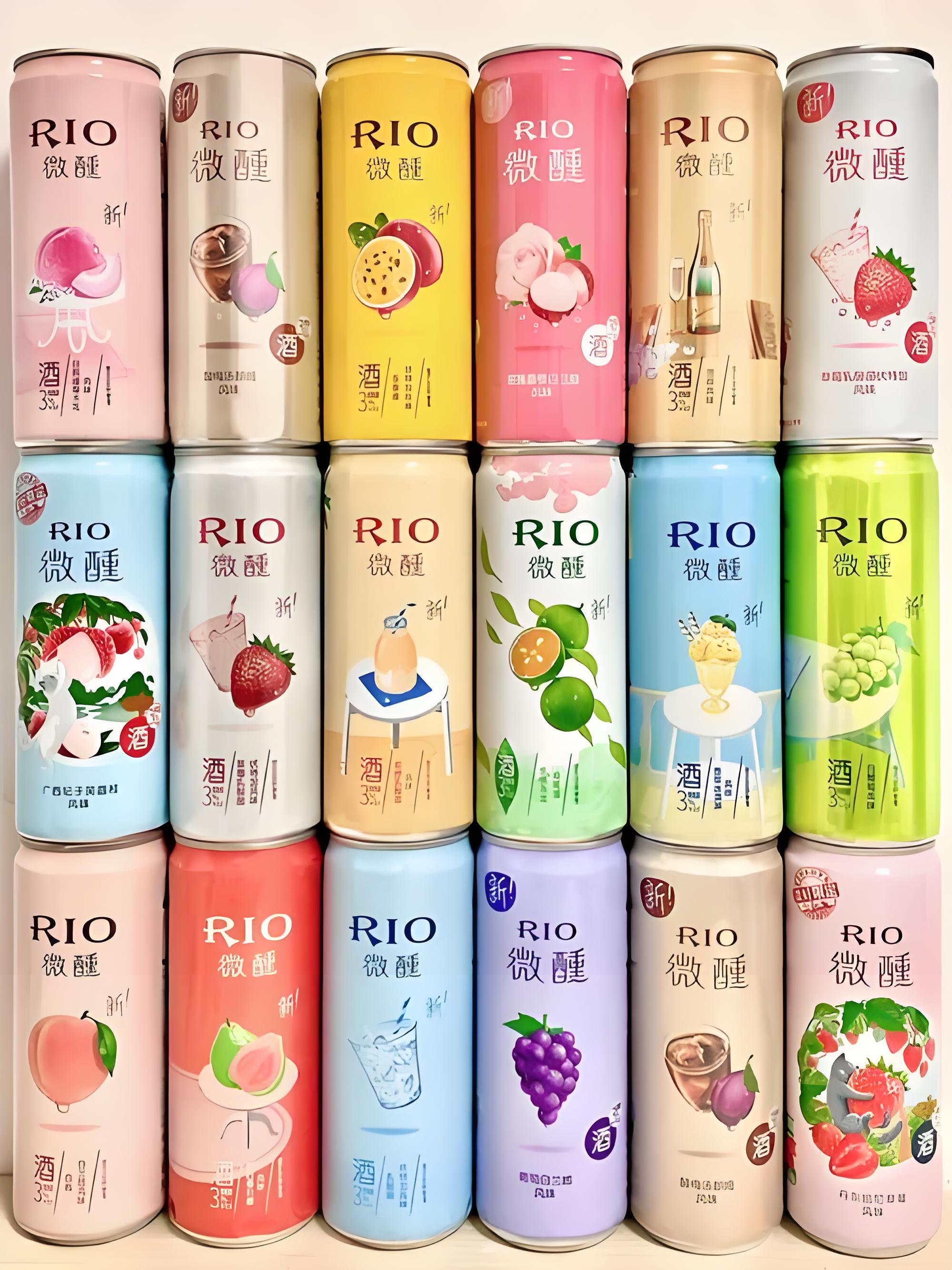
In China, the alcoholic beverages market has long been divided between beer, traditional spirits, and wine. The emergence and growth of low‑alcohol segments and ready‑to‑drink (RTD) cocktails has become one of the most notable shifts in young consumers’ behavior. At the center of this trend is the RIO 鸡尾酒 brand, which has managed to turn the “bar” format into an everyday product with a strong emotional component. From bar culture to the supermarket shelf RIO 鸡尾酒 originally built its positioning around the idea of “a cocktail that is always at hand”: a ready‑made drink with fixed strength, a familiar taste, and neat presentation that does not require a shaker, a bartender, or any special skills. Key elements of the approach: A clear alternative to a bar for those who “want to relax a little, but not get drunk.” Low alcohol content and sweet, fruity flavors aimed at a young audience and consumers who generally avoid strong spirits. A format that is convenient to “try out” – buying one or several cans/bottles with visually appealing design. This has placed the brand at the intersection of several trends at once: growing interest in low‑alcohol drinks, a shift of consumption into the home and small gatherings, and the “Instagram‑ization” (and “Douyin‑ization”) of everything related to leisure. Target audience: young, urban, visually driven RIO’s main focus is young urban consumers for whom the following are important: A taste that does not require “getting used to,” unlike traditional strong alcohol. A bright, “cute,” or stylish product appearance that becomes part of social media visual culture. The ability to control the degree of intoxication thanks to low strength and small portions. RIO works not only with obvious scenarios such as “party” or “karaoke,” but also with more everyday ones: Meeting friends at home. Watching series. Picnics and evening walks. Small “personal celebrations” and “me‑time” after work. In effect, the brand sells not so much alcohol as a light, “safe” format of relaxation and social interaction. Product and flavors: a sweet entry into the world of alcohol RIO’s assortment is built around several principles: Low alcohol contentThe cocktails are positioned from the outset as “light alcohol,” which lowers the entry barrier for those who are afraid of “overdoing it” or who do not tolerate strong drinks well. Fruity and dessert‑style flavorsThe ranges include fruity, berry, and sometimes dessert‑type combinations that are as friendly as possible to newcomers and to those who do not like the taste of neat alcohol. This is an important contrast to traditional Chinese strong spirits and even part of the beer offering. Constant updates and limited editionsNew flavors, seasonal launches, and collaborations are an important part of the strategy. The brand encourages consumers to “try something new” and turns flavor choice into an element of entertainment. In this way, RIO lowers the psychological barrier for consumers who have never seen themselves as “alcohol lovers,” but are willing to have a cocktail from time to time. Packaging and design: a product that has to look good on camera One of RIO’s key competitive advantages is its visual component. In the era of short video and social media, a drink must not only taste good but also look good in photos or stories. In its design, the brand uses: Clean, bright colors that are easy to distinguish on the shelf and on camera. Illustrations and graphics that highlight the flavor and mood of each specific range. Different formats (cans, glass bottles) that shift perception from “cute” to more “premium.” In practice, the packaging becomes part of the consumer’s personal branding: “which RIO you drink” turns into an element of style and self‑expression. Channels: from chains to e‑commerce and content‑commerce RIO clearly follows young consumers’ behavior, so its channel strategy is built not only around classic retail. Key directions: Supermarkets, convenience stores, and other easy‑access formats where the drink is bought spontaneously – “for a movie,” “for an evening get‑together.” E‑commerce and quick delivery: orders ahead of parties, picnics, and home gatherings. Content‑commerce and live streams: promo campaigns, tastings, and integrations with bloggers and streamers, for whom RIO becomes “mandatory props” on screen. The brand fits organically into an environment where the line between “content” and “purchase” is blurred: you see a cocktail, you click, and an hour later a courier delivers a set. Marketing: emotions, life scenes, and “little celebrations” RIO’s communication is built around light social scenarios and emotions rather than strength or “status.” This fundamentally distinguishes the brand from traditional alcohol companies. The main themes are: “A little celebration here and now” – no need for a big occasion, a mood and a couple of cans are enough. “Your own vibe” – a cocktail as part of a party, a series marathon, gaming, or talking with loved ones. “Safe relaxation” – a soft, understandable level of alcohol that is not supposed to lead to loss of control (which is important for part of the audience, especially women). The stories in advertising and content are often tied to everyday moments rather than rare “big” events, which keeps the brand relevant in day‑to‑day life. Why the RIO case matters for CIS markets For retailers and alcohol companies in the CIS, RIO’s story sends several important signals: Low‑alcohol RTD cocktails do not have to be a “niche curiosity”; they can become a mass product if a brand captures the mood of young consumers correctly. Taste and design are no less important than price and strength: visual appeal and an “Instagram‑friendly” format become drivers of the first purchase. Light alcohol associated with “small celebrations” and “personal time” opens up a segment of consumers who ignore traditional strong drinks. Integration into content‑commerce and quick delivery is no longer optional but a must‑have if a brand wants to stay in the field of view of digital‑native youth. RIO as an indicator of changing attitudes to alcohol At the level of cultural codes, RIO highlights an important shift: for part of Chinese youth, alcohol is ceasing to be a tool of “collective pressure” (banquets, toasts, corporate feasts) and is turning into a form of personal, controllable pleasure. A brand that sells a “party in a can” is essentially selling a new model of leisure: soft, visually appealing, oriented toward comfort rather than testing the limits of the body. That is why the RIO case is worth considering when analyzing the future of the alcoholic beverages market in Russia and the CIS, where similar demands for lightness, flavor, and controlled consumption formats are arriving with a time lag.
Chinese dairy giant in the era of pragmatic consumption: how 伊利 (Yili) is transforming
09.04.2026

Chinese dairy giant in the era of pragmatic consumption: how 伊利 (Yili) is transforming

In China, the dairy category has traditionally been seen as an indicator of household prosperity and of the level of trust in food products. Against this backdrop, the evolution of the market’s largest player, 伊利 (Yili), shows how a dairy giant is adapting to a more rational, demanding, and digital consumer. By 2026, Yili is no longer just a producer of milk and yogurt but a large‑scale ecosystem of brands integrated into everyday nutrition, health, and lifestyle. From “milk for everyone” to a portfolio of need‑based solutions Historically, Yili built its positioning around the idea of affordable and safe milk for broad segments of the population. As the market matured and consumer incomes and expectations grew, the company consistently shifted away from a mono‑focus on the basic product toward a portfolio structured around needs and consumption moments. Today, within the master brand and its sub‑brands, the following coexist: Basic lines of drinking milk and yogurt aimed at everyday mass demand. Premium products emphasizing raw‑material origin, improved nutrient profile, and a “clean” ingredient list. Functional and specialized solutions, from children’s and school nutrition to high‑protein beverages and products for an active lifestyle. In this way, the brand is effectively rebuilding its communications: from the abstract “it is good to drink milk” toward clearly segmented messages such as “this product is for children,” “this one is for seniors,” and “this one is for sports and weight management.” The new consumer: health, trust, and rationality In China, the dairy category carries an additional burden: it is directly linked to issues of trust, quality, and safety. For Yili, this is both a responsibility and a competitive advantage: the company must constantly reaffirm its right to be seen as a “reliable” supplier of dairy products. The modern consumer expects from a dairy brand: Transparency of raw‑material origin and supply chain. A clear ingredient list without “unnecessary” additives and with emphasis on real nutritional benefits. Evidence‑based communication explaining why a particular product is beneficial for a child, an athlete, or an elderly person. Yili responds to these expectations through a combination of technological investments (quality, safety, traceability) and marketing tools: educational content, simple visualization of benefits, and differentiated lines for different age groups and life stages. Product portfolio: from basic milk to functional nutrition Basic dairy products These are the core of the business, providing scale and resilience. Here, the key factors remain: Stable quality and taste. Predictable price and broad availability in retail. Anchoring in daily consumption habits (breakfast, school snacks, evening tea). Premium and “natural” lines As incomes rise and interest in a healthy lifestyle grows, the premium segment is strengthening: Milk from specific regions or with special quality control. Products with improved formulations (more protein, less sugar, absence of certain additives). Packaging and design that emphasize “purity,” environmental friendliness, and a modern lifestyle. Functional and specialized nutrition Yili is gradually becoming a player in the functional nutrition market: Children’s lines with age markings and substantiated benefits for growth and development. Products for schoolchildren and students positioned as sources of energy and concentration. High‑protein yogurts and drinks aimed at sports and active lifestyles. Solutions for seniors that take into account absorption specifics, the need for calcium and protein, and ease of consumption. This approach allows the company to retain the mass segment while also participating in the premiumization of the category without diluting its basic positioning. Channels: strong offline base and rapid shift to omni‑channel Historically, Yili built its strength on wide offline distribution: Presence in supermarkets, convenience stores, traditional trade, and HoReCa. Deep penetration into lower‑tier cities and rural areas. High contact frequency with the brand through branded refrigerators and in‑store displays. However, growth in the dairy category is increasingly shifting toward online and omni‑channel formats: Consumers place weekly or monthly orders for milk and yogurt via e‑commerce and quick‑commerce apps. Subscription‑based consumption habits are forming, such as “milk to the door” on set days. In digital channels, brand visibility and promo management are becoming as important as the physical shelf. Yili is actively adapting its model: it is expanding its presence on key platforms, strengthening its use of consumption data, and leveraging digital communication to promote functional and premium lines. Communication: from “milk is good for everyone” to differentiated narratives The classic dairy slogan about benefits “for everyone” no longer works in the context of fragmented and rational demand. Yili’s communication is increasingly built around several major narratives: “Caring for the family”: milk and yogurt as part of daily care for children and older family members, with emphasis on trust and stability. “Modern active lifestyle”: high‑protein and functional products as part of sports routines, office life, and travel. “Conscious choice”: premium and “natural” lines as the answer to more demanding consumers’ concerns about ingredients and product origin. Visual language plays an important role: clean, light packaging, benefit infographics, and clear indications of age and functional differences. Why Yili’s story matters for CIS markets For dairy and FMCG players in the CIS, Yili’s case is interesting for several reasons: It shows how a large mass brand can move away from primitive price competition and build a multi‑layered portfolio without losing scale. It demonstrates how, on the basis of a basic product (milk), one can create a line of functional and specialized nutrition for different ages and needs. It underlines the importance of trust and transparency in health‑related categories; without these, neither premiumization nor digitalization delivers real effect. It provides a benchmark for developing an omni‑channel model that combines a strong offline base with aggressive expansion into e‑commerce, subscription models, and quick delivery. For distributors and retailers from the CIS, this is also a potential avenue for direct cooperation: from importing selected dairy and functional lines to joint projects in children’s and specialized nutrition. The strategic role of Yili in the new market configuration Yili is not just the largest dairy player in China; it is also a marker of how the very logic of managing health‑ and everyday diet‑related categories is changing. In the coming years, the company’s success will depend on how consistently it can: Maintain its status as a “reliable mainstream brand” in the mass segment. Accelerate the development of premium and functional products without losing clarity for the mass consumer. Embed its brands into the digital consumption infrastructure, from marketplaces to subscription services and nutrition apps. Continue investing in quality, safety, and consumer education so that health as a theme remains associated with Yili. For media and the professional community in CIS markets, Yili’s story is not only an example of Chinese success but also a mirror of processes gradually arriving in their own markets: the transition from “just milk” to integrated solutions for nutrition, health, and lifestyle.
Brand 康师傅 (Master Kong): how a mass‑market leader is adapting to China’s “new consumer”
09.04.2026

Brand 康师傅 (Master Kong): how a mass‑market leader is adapting to China’s “new consumer”

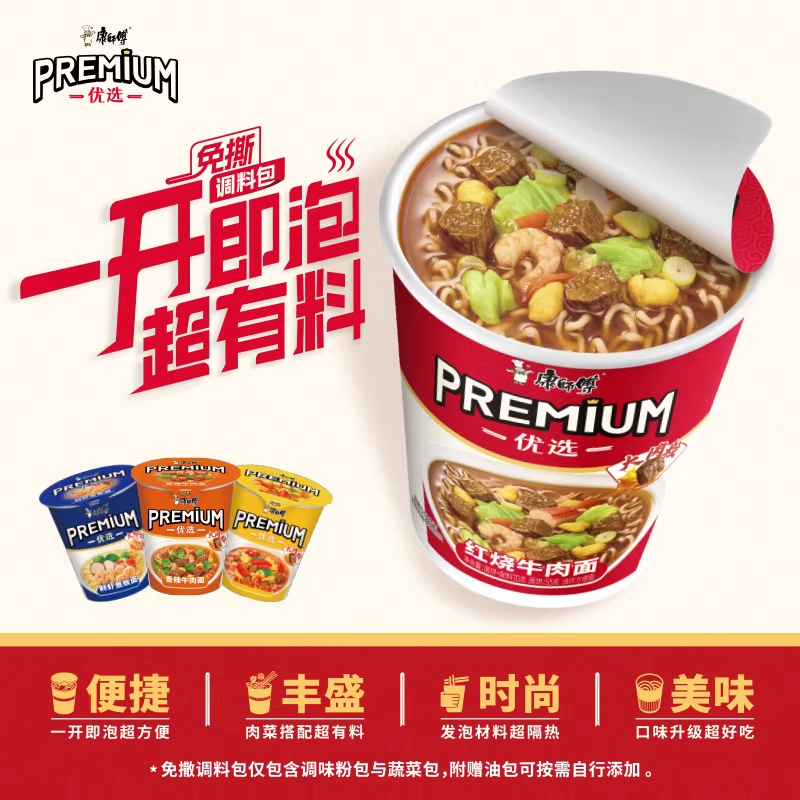
康师傅 (Master Kong) is one of the backbone brands of China’s FMCG market in instant noodles, beverages, and ready‑to‑eat products. Historically, the brand has been associated with everyday, affordable comfort food and “home‑style” taste for the mass consumer. Over recent decades, the brand has acted as a barometer of the middle class and mass consumer: the dynamics of its sales and product portfolio reflect the shift from “quantity” to “quality,” and from pure price competition to a battle for perception, health, and relevance. Consumer evolution and brand challenges As the Chinese consumer becomes more rational and benefit‑oriented, the traditional model of “an affordable, familiar everyday product” faces a number of challenges: Instant noodles are shifting from the “main meal” category into the format of quick snacks and a “backup solution,” giving up part of their consumption to more balanced and functional products. In beverages, pressure is increasing from new RTD players, functional brands, and local niche labels that operate via content‑commerce and live streams. Young consumers in large cities see the “classic” product range as part of their childhood and “nostalgia,” rather than the obvious everyday choice. For 康师傅 this means it must preserve scale and recognition while simultaneously reshaping product and communication for a new, more demanding consumer. Noodles and ready meals: from “cheap solution” to comfort food 2.0 3.1. Portfolio and segmentation In instant noodles, the brand traditionally covers a wide range of price levels, from basic products for price‑sensitive consumers to more expensive, premiumized lines. In recent years the emphasis has intensified on: improving perceived quality (firmer noodle texture, richer broths, more “natural” flavors) regional tastes and recipes adapted to local habits limited editions and collaborations that renew interest in the category among young consumers. 3.2. Formats and functionality The brand is gradually shifting its focus from pure “cheap calories” toward convenience, taste, and emotional comfort: “large portion” and “bowl‑mug” formats targeting office workers and students who see the product as a quick yet still full meal recipe updates emphasizing a “cleaner” taste and reducing the perception of excessive greasiness and saltiness launches of products that are easy to combine with other ingredients (vegetables, egg, meat), turning “noodles” into a home‑style set. In communication this makes it possible to move away from the image of a “cheap emergency option” toward comfort food that can fit into a more conscious diet. Beverages: competing with the new generation of RTD brands 4.1. Strengths in beverages In beverages, 康师傅 retains a significant share in categories such as: tea drinks (including traditional flavors adapted to mass preferences) soft drinks and water specific lines aimed at a young audience. The brand’s key advantages in beverages are extensive distribution, availability in traditional retail and chains, high recognition, and trust in stable quality. 4.2. Pressure from functional and niche players Against the backdrop of growth in functional drinks and the content‑driven RTD market, the brand faces several challenges: new players offer sharper functional value (energy, sleep, gut health, beauty) and work more aggressively on visual differentiation local and niche brands emerge with strong regional identities and more resonant storytelling the growing share of online purchases and instant retail amplifies the role of visual merchandising and in‑app recommendations, where a classic mass brand does not always win on engagement. 康师傅 responds with updated beverage lines, recipe experiments (less sugar, new flavors, combined formulas), and a gradual strengthening of its presence in digital channels. Channels: relying on scale and catching up in digitalization 5.1. Offline scale as a long‑term advantage One of 康师傅’s key strengths is its historically built‑out distribution: presence in traditional retail, small neighborhood stores, kiosks, and “near station/on‑the‑go” formats extensive coverage of tier‑3 and tier‑4 cities and counties, which are becoming important sources of FMCG consumption growth strong positions in major retail chains thanks to its status as an “anchor” brand in key categories. This enables the brand to remain the “default” choice in the baskets of millions of households even amid intensifying competition. 5.2. Digital channels and instant retail At the same time, the market is shifting to an omni‑channel model, where brand strength is determined not only by offline shelf presence but also by: visibility in e‑commerce and marketplaces ranking and presence in quick‑delivery apps integration into content‑ and social‑commerce, live streams, and influencer recommendations. For 康师傅 the key task is to transfer its offline strength into the digital realm: using its scale and recognition to secure “default choice” status in online channels as well, while maintaining competitive recommendations and promotional offers. Communication and brand architecture: balancing nostalgia and relevance 6.1. “Brand of childhood” vs “brand of today” For older and middle‑aged consumers, 康师傅 is associated with nostalgia, stability, and familiar taste. For younger audiences it is important to have: a sense of “modernity” and relevance in the visual language participation of the brand in the cultural agenda (collaborations, campaigns, content integrations) product lines reflecting their ideas of healthy and conscious consumption. The brand needs to manage this balance: preserving recognizable elements (logo, core flavors, key products) while launching sharper, more contemporary sub‑brands and lines. 6.2. Storylines in communication The main storylines the brand can use are: “Affordable comfort and taste the whole family understands” – for basic products “Modern urban rhythm” – for updated formats and beverages tied to office and student life “Thought‑through choice” – for lines focusing on quality, improved composition, and more functional characteristics. Implications for CIS retailers and distributors For partners from the CIS, the 康师傅 brand is attractive for several reasons: Mass recognition and trust inside China, which indicates a robust operating model and quality.    
Chinese FMCG market 2026: slow growth, fast transformatio
09.04.2026

Chinese FMCG market 2026: slow growth, fast transformatio

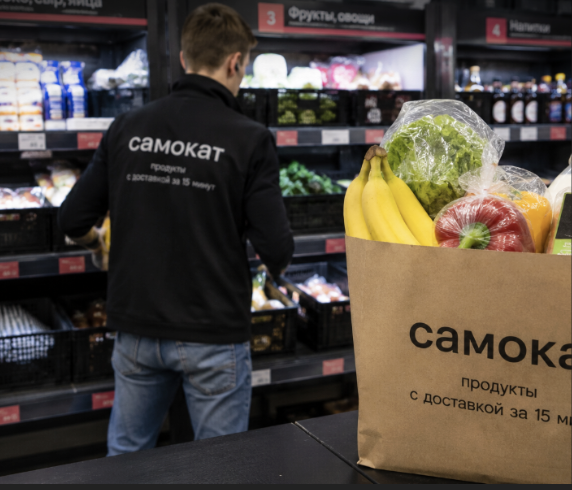
The Chinese fast‑moving consumer goods (FMCG) market in 2026 is showing moderate growth against the backdrop of a structural transformation of consumption and sales channels. Growth is shifting toward online channels, content‑ and service‑driven e‑commerce, as well as functional and wellness categories, while traditional mass products and offline formats face pressure on volumes and margins. For retailers and distributors from CIS countries, this creates a window of opportunity to import a new generation of Chinese brands that are already adapted to a more demanding and rational consumer. Chinese FMCG market: dynamics and context 2026 Omnichannel FMCG sales in China in 2024–2025 grew at a moderate pace, with online channels and content platforms acting as the main drivers, while offline remained under pressure. Online FMCG sales showed double‑digit growth, whereas offline growth remained low or stagnated. In 2026, the market entered a phase of “low growth, high competition”: consumption remains cautious but stable, with increasing differentiation by category, price segment, and channel. Growth is increasingly driven by functional categories, premium and healthy products, as well as omni‑channel formats that combine offline, e‑commerce, and instant retail. For market players, this means a shift from extensive expansion to a game focused on efficiency, depth of penetration, and precise matching to consumer demand. The new consumer: cautious, value‑led, relevance‑driven The Chinese consumer in 2026 is more rational and value‑led compared to the pre‑Covid period. They remain willing to buy branded products and pay a premium, but only if the product’s relevance and value are obvious and transparent. Key consumer characteristics: Cautious consumption: overall spending grows together with higher sensitivity to price and promotions, especially outside major sales events. “Less but better” model: a decline in impulse purchases and growth in products with clear functional benefits (health, efficiency, convenience). Pragmatic wellness: steady demand for healthy foods, functional drinks, products with less added sugar and fats, and solutions for prevention and quality‑of‑life support. Demand for relevance: expectations of personalized offers, tailored assortments, and clear justification of premium pricing, especially in mid‑ and high‑income segments. For brands and retailers, the key takeaway is that a focus on demonstrable benefits, transparent value, and relevance for a specific consumer segment becomes a basic requirement. Categories: pockets of growth vs. pressure zones 3.1. Growth categories Over 2025–2026 there are stable “pockets of growth” in the following areas: Food & nutritionGrowth is supported by demand for convenient formats (ready‑to‑cook and ready‑to‑eat), functional products, and “restaurant‑at‑home” solutions. Within the category, smart‑food, healthy snacks, and products with added value (high protein, functional ingredients, improved nutrient profile) stand out. BeveragesThere is a structural shift from traditional sugary drinks toward RTD tea, RTD coffee, functional drinks, and “ritual drinks” for energy, sleep, focus, digestion, and other states. Design, consumption scenarios, and emotional components become as important as taste. Pet care and baby careThese segments are growing ahead of the market due to an increasing number of pets, “humanization” of the pet category, and high parental sensitivity to quality and safety in baby products. Brands offering transparent composition, additional services, and expert content are gaining penetration. Senior careThe rising share of older consumers drives demand for specialized nutrition, supplements, products with adapted packaging design (large fonts, easy opening, simple instructions), and supportive solutions for health and everyday comfort. 3.2. Categories under pressure Several traditional FMCG categories are facing pressure on volumes or margins: Standard sugary drinks and “traditional” snacks without functional value are losing share to healthier and more differentiated solutions. Mass household chemicals and hygiene products in basic formats are ceding ground to concentrated, eco‑friendly, and premium sub‑brands with improved formulas and better user experience. For imports into the CIS, it is preferable to prioritize growth categories and avoid direct competition in segments where price pressure and saturation are most pronounced. Channels: omnichannel, instant retail, and content‑commerce 4.1. Omnichannel growth The omnichannel model is becoming standard for the Chinese FMCG market. Online channels provide the main contribution to growth, while offline is gradually repositioned from a place of purchase to a point of contact with product, service, and brand. For most major players, offline and online are already managed as a single system for demand, inventory, and promotions. 4.2. Content‑ and social‑commerce Content platforms and social‑commerce (including short videos, livestreams, and in‑app stores) are becoming key sources of incremental demand. A model is emerging where entertainment content, recommendations, and purchase are integrated into a single user funnel. For FMCG brands, this means the need to invest in creativity, working with influencers, and data‑driven content management. 4.3. Instant retail and quick delivery Instant retail (30–60 minute delivery) has become the standard in large cities. Hybrid “store + dark store” formats make it possible to combine physical infrastructure with online demand. For FMCG brands, being present in such ecosystems becomes a factor of availability comparable in importance to traditional shelf space in offline chains. For CIS retailers and distributors, working with Chinese brands already integrated into omnichannel and instant models reduces operational risks and increases the likelihood of successful adaptation to local formats. Portrait of a successful FMCG brand in China‑2026 Analysis of consumer behavior and demand structure highlights a typical profile of brands showing stable dynamics: Clear positioning and functional differentiationThe brand addresses a specific consumer need (health, time‑saving, comfort, care for children/pets/elderly) and consistently confirms it through formula, packaging, and communication. Value‑for‑money and “rational premium”The product may be priced above the base category, but the consumer clearly understands what they pay for: ingredient quality, technology, sustainable format, service, convenience of use. Digital maturityStrong presence in e‑commerce and content platforms, active work with reviews and ratings, use of personalization and data‑driven approaches to promotions and assortment management. Focus on niche audiencesLeading brands build separate product lines and communications for specific segments: young professionals, parents of children of different ages, pet owners, 60+ consumers, and others. Adaptive packaging and formatsFlexible SKU lineup: large family formats for offline and group purchases, compact on‑the‑go solutions, specialized formats for instant retail and e‑commerce. This profile can be used as a checklist when selecting Chinese partners for CIS markets. Typical successful models and product solutions 6.1. Smart‑food and healthy snacks Smart‑food brands in China combine traditional ingredients with modern formats. They focus on: functionality (energy, focus, digestion, weight control) transparent composition and readable nutrient profile promotion through digital channels and opinion leaders. Such solutions fit organically into the “less but better” model and can become drivers of premiumization in Russian and CIS retail chains. 6.2. Functional drinks and “ritual drinks” Functional drinks show steady growth because they: offer clear benefits for specific life situations (sports, office, sleep recovery, detox, etc.) use design and consumption scenarios as a key part of the value proposition actively integrate into content‑commerce and live formats. With proper localization, such products can create new subcategories in CIS markets. 6.3. Pet, baby, and senior care Companies in these segments: build a high level of trust and loyalty among consumers offer a wide assortment covering different age and functional needs combine traditional channels with digital ones, placing special emphasis on educational content and service. For CIS distributors, this is an opportunity to transfer not only products but also ready‑made end‑consumer engagement models into their portfolios. Marketing and product launches: from promo noise to data‑driven growth Content‑ and live‑commerceLivestreams and short videos are becoming standard tools for launching and supporting FMCG brands. They allow brands to simultaneously demonstrate the product, collect feedback, manage promotions, and stimulate quick sales. Community group buyingIn tier‑3 and tier‑4 cities, group buying models are actively developing, enabling consumers to consolidate demand and obtain better offers. Brands create special SKUs and packaging for this channel. Data‑driven brand managementMarket players are increasingly using sales data, online behavior, and brand perception metrics to optimize assortment, promotion policies, and media mix. This reduces the role of “mass noise” and strengthens targeted, measurable activities. Implications for CIS retailers and distributors Prioritize categories and brands that show stable growth and functional differentiation (smart‑food, functional drinks, pet/baby/senior care, innovative household chemicals). Assess the digital maturity of potential partners: e‑commerce presence, participation in content‑commerce, integration into quick‑delivery ecosystems. Demand a clear value proposition and evidence base (composition, certificates, research) that can be adapted for communication in the CIS. Localize not only the product but also the go‑to‑market model: use elements of Chinese go‑to‑market approaches (streams, community mechanics, educational content) combined with local channels (Telegram, VK, marketplaces, retail chains).