
 RU
RU
 CN
CN
Every Third Item in Russians' Shopping Baskets is a Pyaterochka Private Label
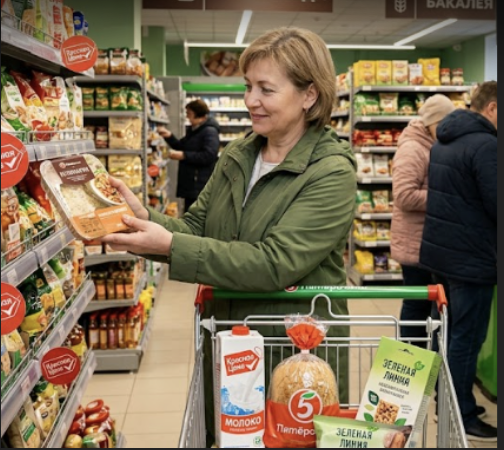
In the first half of 2026, the Pyaterochka retail chain recorded significant growth in sales of private label products. In volume terms, the share of private labels reached 28.3%, meaning nearly one in three items sold at the checkout was a store brand.
This trend reflects consistently high demand for the retailer's own brands. According to the chain's data, private label food products are now present in 62% of shopping receipts. This indicates that more than half of the chain's customers regularly choose at least one item from its private label assortment.
Assortment Structure and Category Development
Today, Pyaterochka’s private label portfolio includes over 35 different brands, covering almost all food categories:
- Staple foods and groceries.
- Ready-to-eat meals.
- Specialised healthy and dietary food lines.
"Private labels are being developed as independent products with their own concept, assortment, and target audience," the Pyaterochka press service noted.
The rapid growth of the private label share in Russia's largest national retail chain reflects fundamental shifts in consumer behaviour. In a climate of rationalised spending, consumers are increasingly reluctant to pay a premium for the marketing of well-known multinational brands, opting instead for comparable quality at an affordable price.
For contract food manufacturers, including Asian food exporters, producing goods under the private labels of Russian retail chains is becoming one of the most reliable sales channels. Direct contracts to supply private label products — ranging from canned goods to groceries and tea — provide foreign manufacturers with direct access to the shelves of thousands of stores across Russia, without the need for multimillion-dollar investments in advertising and building their own distribution networks.