
 RU
RU
 CN
CN
Shoppers in Russia are massively switching to private label groceries
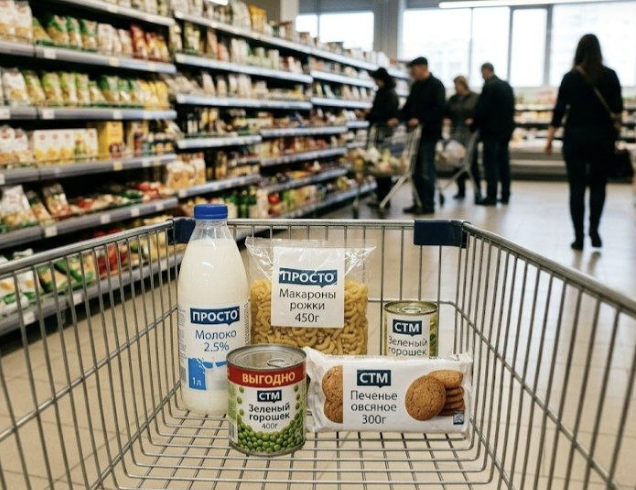
A steady monthly growth in the popularity of retail chains' private labels (PL) is being recorded in Russia. According to analytical data from the Romir research holding, in May 2026, 62% of Russian consumers purchased private label products regularly or periodically. This indicator demonstrates a stable upward trend: the share of buyers grew by 2 percentage points compared to April and by 3 percentage points relative to March of the current year. At the same time, purchase volumes in the first quarter remained at the April level.
The main driver of this segment's development is precisely the regular buyers, whose share has been steadily increasing since the beginning of the year. The growth of the core audience occurred through the involvement of consumers who previously only expressed a willingness to try private labels, as well as those citizens who bought such goods exclusively in the absence of alternative brands on the shelf.
The transformation in the perception of private labels indicates a qualitative change in the structure of Russian retail. PLs are no longer associated exclusively with the low-price segment.
"In recent years, the attitude of shoppers towards private labels has changed significantly. While previously PLs were most often perceived as a way to save money, today the consumer evaluates them primarily through the price-quality ratio. For many product categories, trust in the retail chain is beginning to play no less of a role than trust in the manufacturer. This indicates the maturing of the market and a change in the criteria for consumer choice," stated Anastasia Sidorina, Client Service Director at the Romir research holding.
According to the results of the study over the last three months, PLs hold the strongest positions in basic grocery groups. The consumer preferences of Russians were distributed as follows:
- Dairy and cultured dairy products — 40% of respondents choose retail chains' private labels.
- Groceries (grains, pasta, vegetable oils) — 36% of those surveyed.
- Canned vegetables — 23% of buyers.
- Confectionery — 22% of citizens.
- Fresh meat and poultry — 20% (the most intensive growth was recorded in this category — plus 4 percentage points over three months).
For Chinese food manufacturers, this is a key market signal. The growing trust in PLs means that foreign suppliers do not need to invest huge budgets in promoting their own brand from scratch among Russian consumers. It is sufficient to conclude a long-term B2B manufacturing contract with a large retail chain. The shopper will choose the product thanks to their trust in the retail chain's brand (for example, Magnit or Pyaterochka), which opens up direct access to a stable and growing sales channel for factories from the PRC.