
 RU
RU
 CN
CN
Imported whisky outpaces domestic counterparts in sales growth
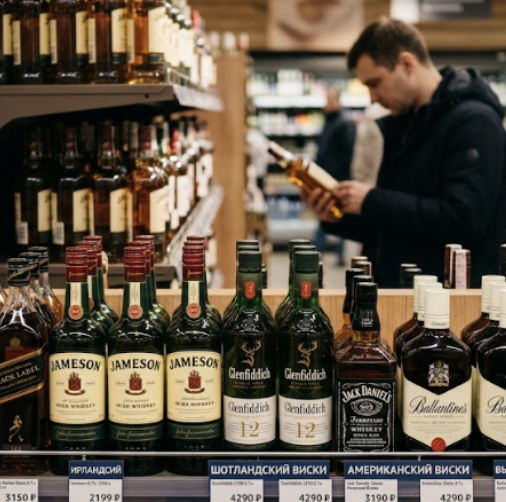
The Russian strong spirits market is showing a renewed return of foreign producers to leading positions. According to the analytical ranking A. List, cited by the business daily Kommersant, over the past year the share of imported brands in the sales structure of the top‑15 most popular whisky labels in Russia has increased from 29.2% to 33.8%.
The gap in demand growth rates between foreign and local products is becoming increasingly evident. Sales dynamics in volume terms over the reporting period were as follows:
- Imported whisky: confident growth in sales volumes of 29.3%.
- Russian‑made whisky: restrained increase of just 4.3%.
Causes of domestic brands’ lagging performance
Industry experts attribute the outstripping growth of foreign spirits to several key factors.
First, well‑established parallel‑import mechanisms have ensured uninterrupted supplies and made it possible to keep retail shelf prices at an accessible level.
Second, the decisive factor is the position of consumers themselves: most buyers still do not view Russian whisky as a fully fledged, equivalent alternative to classic imported products.
The technological barrier for domestic producers lies in the length of the production cycle. The creation of high‑quality malt or blended whisky requires mandatory ageing in oak barrels for at least three years. Russian distilleries that began large‑scale import substitution in this category after the withdrawal of international brands have simply not yet had time, in physical terms, to build up sufficient stocks of aged distillates.
As a result, many local companies are forced to use imported bulk spirit (so‑called bulk) or to produce young grain‑based beverages, which objectively lag behind classic Scottish and Irish brands in terms of taste and aroma characteristics. This is precisely what explains the persistently high loyalty of Russian consumers to parallel imports.